Digitization, automation, sustainability and resilience are reshaping global logistics — here's what it means for exporters today.
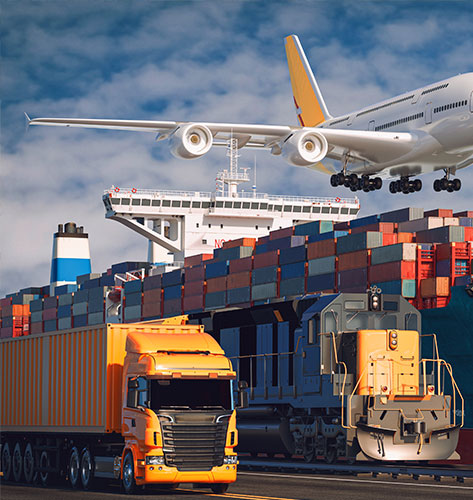
Global trade logistics is going through a period of structural change, driven by digitization, automation, sustainability pressure and a renewed focus on supply chain resilience following recent global disruptions. For Indian exporters and importers, these shifts are not abstract industry trends — they are already changing how shipments get documented, how freight gets booked, how carbon footprint gets measured, and how trade policy gets negotiated. Understanding where logistics is heading helps businesses make better decisions today, whether that means adopting a digital documentation platform, reassessing supplier concentration risk, or preparing for tighter sustainability expectations from overseas buyers. This article looks at the trends shaping the next phase of global trade and what they mean in practice.
India's move toward paperless trade has been building for years through platforms like ICEGATE, the customs department's electronic filing system that allows shipping bills, bills of entry and duty payments to be processed digitally rather than through physical paperwork. E-way bills have similarly digitized the domestic movement of goods above the GST threshold, replacing older physical documentation requirements with a system that can be verified in real time at check posts.
The trend extends beyond government platforms. Freight forwarders, customs brokers and shipping lines increasingly offer digital documentation, electronic bills of lading and online shipment tracking as standard rather than premium features. For exporters, this shift reduces the time spent on physical document handling and courier delays, and it creates a more auditable trail of every transaction. Businesses that are slow to adopt digital documentation workflows increasingly find themselves at a coordination disadvantage relative to counterparts who can turn around paperwork in hours rather than days.
Freight operations are increasingly incorporating automation and predictive tools to handle tasks that were previously manual and time-consuming — route planning, rate comparison across carriers, and document verification for classification accuracy. Predictive analytics is being used to anticipate potential delays based on historical patterns at specific ports or border crossings, allowing forwarders to build more realistic transit time estimates into their planning.
Artificial intelligence tools are also being applied to document processing, helping flag inconsistencies between a shipping bill, invoice and packing list before they become a customs query. While full automation of complex freight decisions remains some way off, especially for cargo requiring specialized handling, the direction of travel is clear: routine, repetitive tasks are increasingly handled by software, freeing experienced freight and customs professionals to focus on the judgment calls, exceptions and relationship management that automation cannot replace.
Sustainability has moved from a marketing talking point to an operational requirement for many exporters, particularly those selling into markets with stricter environmental reporting expectations. Green logistics practices include optimizing routes and vehicle loads to reduce fuel consumption, consolidating shipments to cut the number of partially loaded trips, and increasingly, tracking and reporting the carbon footprint of a shipment's journey from factory to final destination.
Overseas buyers, particularly in markets with emerging carbon-reporting regulations, are beginning to ask suppliers for visibility into the environmental impact of their supply chains, not just their factories. Exporters who can provide this data, even in a basic form, are better positioned to meet buyer due-diligence requirements than those who cannot speak to it at all. This is becoming a competitive consideration, not just a compliance one, as sustainability credentials factor into vendor selection for a growing number of international buyers.
The disruptions of recent years, from pandemic-era port congestion to shipping route diversions caused by regional conflicts, have pushed supply chain resilience up the priority list for businesses that previously optimized almost exclusively for cost and speed. Single-source and single-route dependencies, which looked efficient under normal conditions, proved to be significant vulnerabilities when a single chokepoint was disrupted.
In response, many businesses are diversifying supplier bases, building relationships with logistics partners who can offer alternative routing options, and holding somewhat higher safety stock levels than the lean-inventory models of a decade ago would have recommended. This does not mean abandoning efficiency — it means building enough flexibility into sourcing and logistics decisions that a single disruption does not bring the entire supply chain to a halt. For Indian exporters, this trend has also translated into growing interest in diversifying export markets and routes rather than concentrating shipments through a small number of gateways.
India's position in global trade continues to evolve, supported by ongoing infrastructure investment at major ports, a growing manufacturing base under policy initiatives aimed at boosting domestic production, and an expanding network of trade agreements and negotiations with partner countries. As global businesses look to diversify manufacturing and sourcing beyond any single country, India has increasingly positioned itself as an alternative production and export base across several sectors.
Trade policy itself continues to evolve alongside this shift, with periodic updates to the Foreign Trade Policy, export incentive schemes and duty structures reflecting government priorities around specific sectors and markets. Exporters who stay current with these changes, rather than assuming policy is static, are better positioned to take advantage of new schemes or adjust ahead of changes that affect their specific product category or destination market.
None of these trends require a business to overhaul its operations overnight, but they do suggest a direction worth planning toward. Adopting digital documentation workflows where available reduces friction and creates better audit trails. Working with logistics partners who use tracking and planning technology improves visibility and reliability. Building at least some resilience into sourcing and routing decisions reduces exposure to the next unexpected disruption, whatever form it takes.
For most exporters, the practical starting point is choosing partners — freight forwarders, customs brokers, transportation providers — who are already investing in these areas, rather than trying to build every capability in-house. A logistics partner who tracks policy changes, offers digital documentation and plans for route flexibility effectively extends a business's own resilience and readiness for what comes next in global trade.
Our team combines digital documentation, real-time tracking and route planning to keep your shipments moving in a changing logistics landscape.
How FTL, LTL and dedicated fleets, backed by real-time tracking, keep last-mile delivery dependable.
Read Article
A clear breakdown of how freight forwarders coordinate international cargo movement end to end.
Read Article
Ten practical checks every first-time exporter should run before their goods leave India.
Read Article