A practical look at how FTL, LTL and dedicated fleet options, backed by real-time tracking, keep last-mile delivery dependable across India.
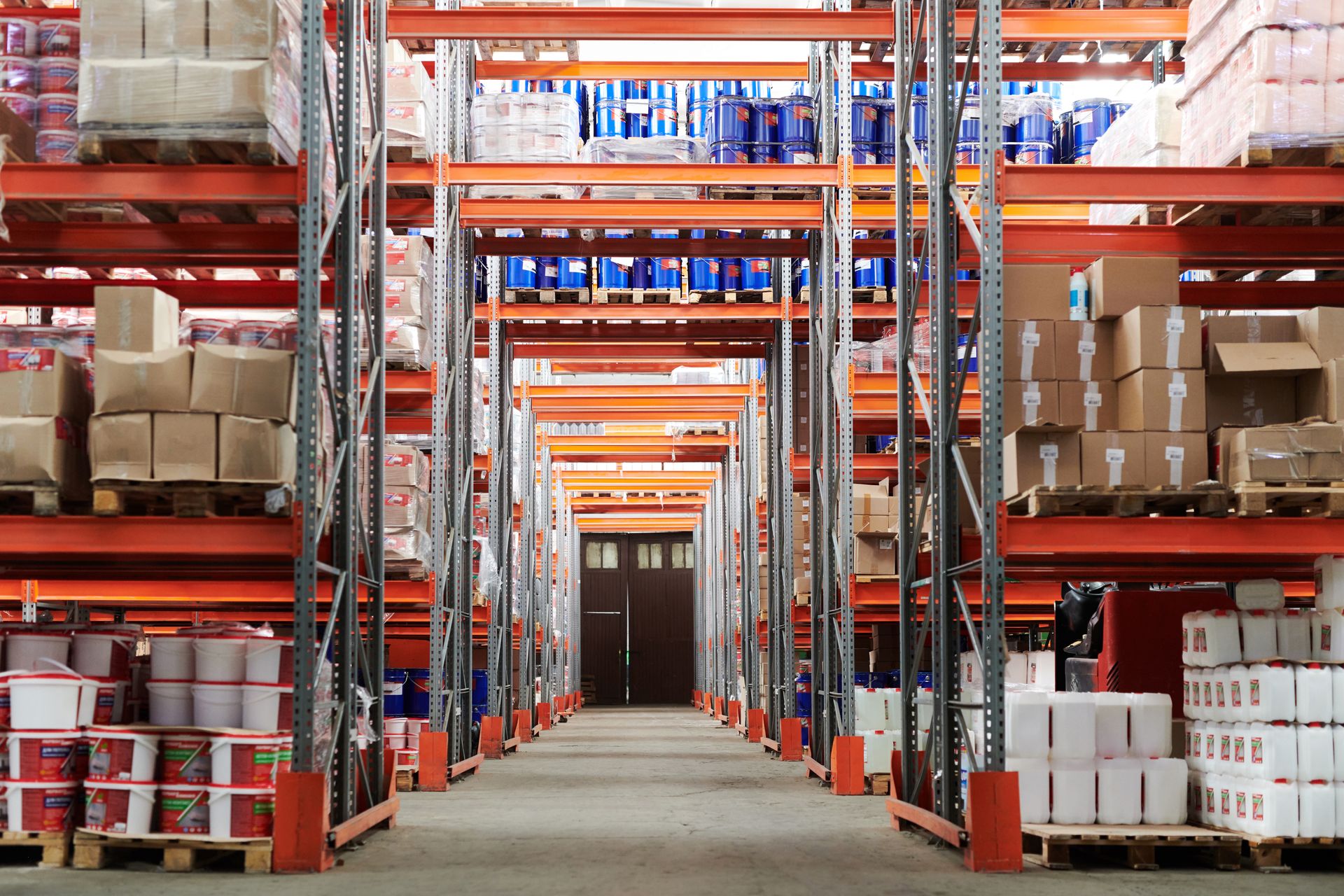
For manufacturers, exporters and retailers across India, the movement of goods from factory floor to final destination is often the most visible — and most vulnerable — link in the supply chain. Transportation decisions affect delivery timelines, cargo condition, customer satisfaction and total logistics cost, yet they are frequently treated as an afterthought once freight forwarding and customs clearance are sorted. In practice, a well-planned transportation strategy is what turns a cleared shipment into a delivered one. This article looks at where transportation fits within the broader logistics chain, the main types of road transportation solutions available, how tracking and route planning improve reliability, the operational challenges unique to moving cargo across India, and what to look for in a transportation partner.
Transportation is the connective tissue that links every other logistics function together. Raw materials move from suppliers to factories by road; finished goods move from factories to ports or airports for export, and from ports or warehouses to end customers for domestic distribution. Even a shipment that has cleared customs smoothly and been booked on the right vessel or aircraft can be delayed at the very last stage if the ground transportation leg is not planned with the same discipline.
This is particularly true for time-sensitive cargo, where a missed factory-to-port cutoff can mean losing a vessel booking, or where a delayed last-mile delivery undermines an otherwise well-executed export or import operation. Providers who combine transportation services with freight forwarding and warehousing are able to plan these movements as one continuous chain rather than a series of handoffs between unrelated vendors, which reduces the points where delays and miscommunication typically creep in.
Not every consignment needs the same kind of vehicle or booking arrangement. Choosing the right transportation model has a direct impact on cost, transit time and cargo safety:
The right choice often depends on shipment frequency, cargo sensitivity and how tightly delivery windows need to be controlled. Many businesses use a mix — dedicated or FTL capacity for core routes, and LTL for overflow or irregular volumes.
Route planning has moved well beyond simply picking the shortest distance between two points. Effective route optimization accounts for road conditions, toll plazas, known congestion points, permit restrictions in specific states, and delivery time windows set by the receiving party. A route that looks fastest on a map is not useful if it runs through a stretch prone to traffic bottlenecks during the hours a shipment is expected to pass through.
Real-time GPS tracking adds a layer of visibility that static route plans cannot provide on their own. With live location data, dispatch teams can see exactly where a vehicle is against its planned schedule, identify delays as they happen rather than after a delivery has already slipped, and proactively communicate revised arrival times to customers. This visibility also supports better decision-making when something goes wrong — a breakdown, an unexpected diversion or a documentation hold-up at a check post — because the response can begin immediately instead of after the fact.
Moving cargo across India's road network comes with a set of operational realities that any transportation plan needs to account for. Urban traffic congestion around major industrial belts and port cities can add hours to what should be a short final stretch, so realistic scheduling — rather than best-case assumptions — matters more than it might elsewhere.
Permit and documentation compliance is another recurring challenge. Interstate movement generally requires a valid National Permit issued under the Motor Vehicles Act, and GST-applicable consignments above the prescribed threshold need a valid e-way bill for each leg of the journey. Certain commodities carry additional state-level requirements, such as forest, mining or excise permits, and falling short on any of these documents can result in a vehicle being held at a check post, with knock-on delays for the rest of the delivery schedule.
Multi-state movement also means dealing with varying local regulations, entry restrictions in certain cities during specific hours, and coordination across regional transport offices. Transportation providers with established, multi-state operating experience are generally better positioned to anticipate these friction points rather than encountering them mid-transit.
When evaluating a transportation partner, fleet capacity and geographic coverage are the starting point — can they reliably service the specific routes and volumes your business needs, including during seasonal peaks? Beyond that, look closely at their safety and compliance record, since a partner with a history of permit or documentation issues introduces risk into your own delivery commitments.
Technology matters as much as trucks. A partner offering real-time tracking and proactive status updates makes it far easier to manage customer expectations and internal planning. Finally, responsiveness counts: transportation, by its nature, involves variables outside anyone's control — weather, traffic, mechanical issues — and the partners who communicate clearly and adjust quickly when problems arise are the ones who protect your delivery reliability over the long run.
Our transportation team plans routes, tracks vehicles in real time and coordinates permits so your cargo reaches its destination on schedule.
Practical warehousing practices that improve inventory accuracy, space utilisation and dispatch speed.
Read ArticleA clear breakdown of how freight forwarders coordinate international cargo movement end to end.
Read Article
How digitization, automation and sustainability are reshaping freight and customs operations.
Read Article