A plain-language look at what freight forwarders do, how they differ from carriers and customs brokers, and how to choose the right one.
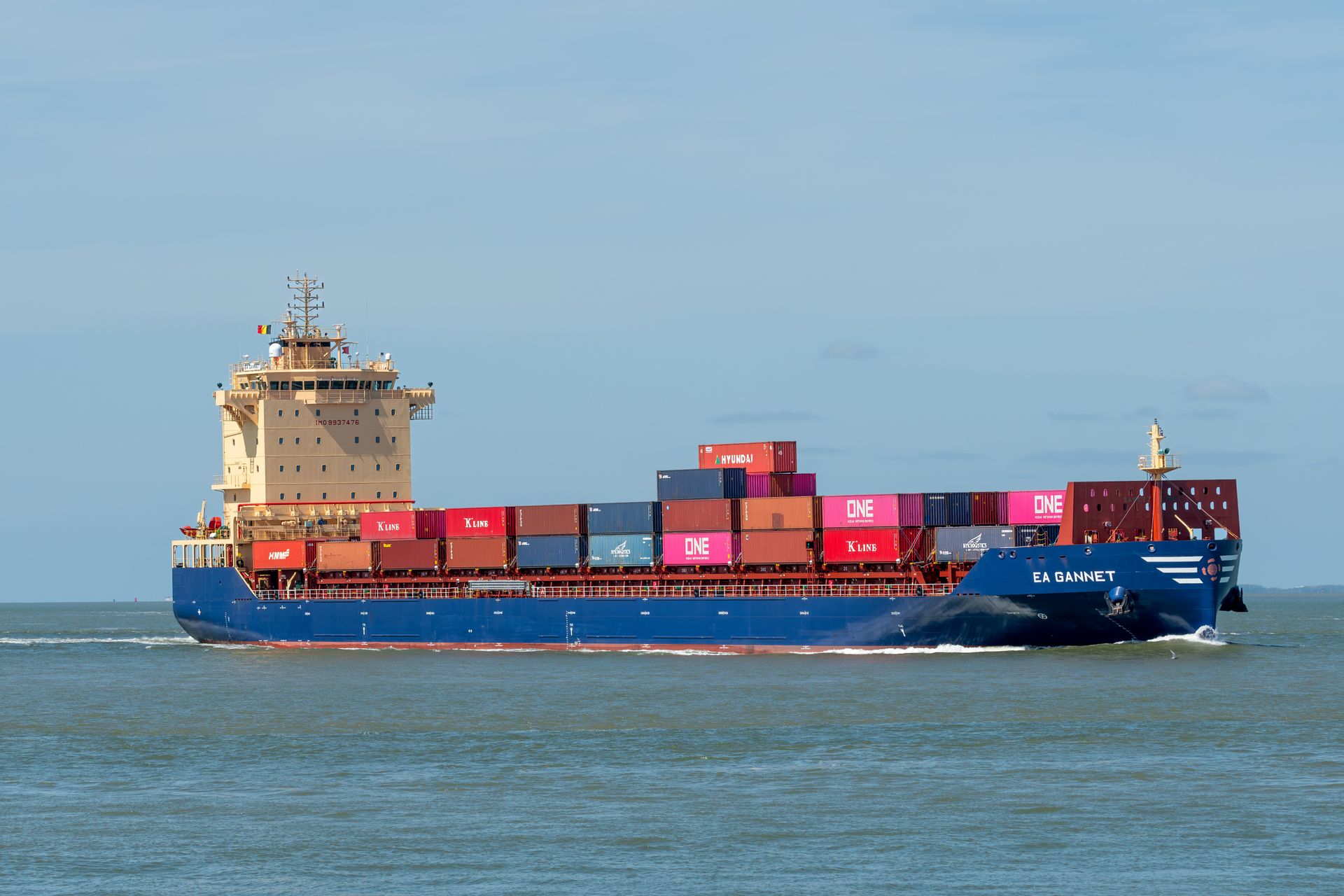
Ask most first-time exporters what a freight forwarder does, and the answer is usually vague — "they handle the shipping." In reality, freight forwarding is a coordination discipline that touches nearly every part of getting cargo from origin to destination: booking capacity with carriers, consolidating documentation, arranging customs formalities, and managing the handoffs between trucking, port, ocean or air legs, and final delivery. Understanding what a forwarder actually does — and how that role differs from a carrier or customs broker — helps businesses use the service more effectively and choose the right partner.
A freight forwarder acts as an intermediary between the shipper and the various transport providers involved in moving cargo internationally. Rather than owning ships, aircraft or trucks, a forwarder's value lies in coordination and market access: negotiating freight rates with carriers, booking space, consolidating cargo with other shipments to improve pricing, preparing and checking transport documentation, and tracking the shipment through each leg of its journey.
Beyond booking and tracking, a good forwarder also manages the practical problems that arise along the way — a delayed vessel, a missing document, a change in routing — and resolves them without the shipper needing to coordinate directly with every carrier and port agent involved. This is particularly valuable for businesses shipping to multiple destinations or using multiple transport modes, where the coordination burden multiplies quickly.
These three roles are often confused, but each serves a distinct function. A carrier — a shipping line, airline or trucking company — physically owns and operates the transport asset that moves the cargo. A customs broker is licensed specifically to file customs declarations and manage clearance formalities with customs authorities on behalf of the importer or exporter. A freight forwarder sits above both, coordinating the overall movement of goods and often working with, or acting as, a customs broker to manage clearance as part of a combined service.
In practice, many forwarders — including established players in the Indian market — offer combined freight forwarding and customs broking services under one roof, since the two functions are so closely linked in an actual shipment. Understanding the distinction matters mainly when evaluating exactly what a quote covers and who is accountable for which part of the shipment.
A typical freight forwarding engagement follows a consistent sequence. It begins with a booking request, where the shipper provides cargo details, origin, destination and required transit time, and the forwarder quotes options across available carriers and routings. Once a booking is confirmed, the forwarder coordinates cargo pickup, consolidation if applicable, and preparation of the export documentation needed to move the goods to the port or airport of departure.
From there, the forwarder tracks the shipment through transit, coordinates any transhipment or mode changes, and manages import-side formalities including customs clearance and final delivery to the consignee. Throughout this sequence, the forwarder is the shipper's single point of contact, absorbing the coordination complexity of dealing with multiple carriers, ports and regulatory touchpoints.
The most immediate benefit is access to better freight rates than an individual shipper could typically negotiate alone, since forwarders consolidate volume across many clients and maintain ongoing carrier relationships. Beyond pricing, forwarders bring documentation expertise that reduces the risk of customs delays, and they provide a single accountable point of contact rather than requiring the shipper to manage multiple vendor relationships directly.
Forwarders also add real value in problem resolution — when a shipment is delayed, misrouted or held at customs, an experienced forwarder with established relationships at ports and with carriers can typically resolve the issue faster than a shipper working the problem alone.
Look first at experience on your specific trade lanes and product category — a forwarder with a strong track record on textile exports to Europe may not have the same depth on chemical exports to Southeast Asia. Ask about their carrier network and capacity access, particularly during peak season when space is constrained. Review their documentation accuracy and compliance track record, since this directly affects how smoothly your shipments clear customs.
Finally, evaluate how they communicate during disruptions. Freight moves smoothly most of the time, but the real test of a forwarding partner is how proactively they flag and resolve problems when something doesn't go to plan. Our own international freight forwarding service is built around exactly this combination of rate access, documentation discipline and proactive communication.
Many small exporters begin by booking freight directly with a carrier or using a basic online booking platform, and for very simple, low-volume shipments this can work. But as shipment frequency, destination variety or cargo complexity grows, the coordination overhead of managing multiple carriers, documentation sets and customs requirements directly starts to outweigh any savings from cutting out the forwarder.
The typical signal that a business has outgrown DIY shipping is spending more time firefighting shipment problems than running the core business — chasing carrier updates, resolving documentation queries, or explaining delays to customers. At that point, the coordination and reliability a professional freight forwarder provides tends to pay for itself many times over.
Our freight forwarding team handles carrier booking, documentation and coordination end-to-end across every trade lane we serve.
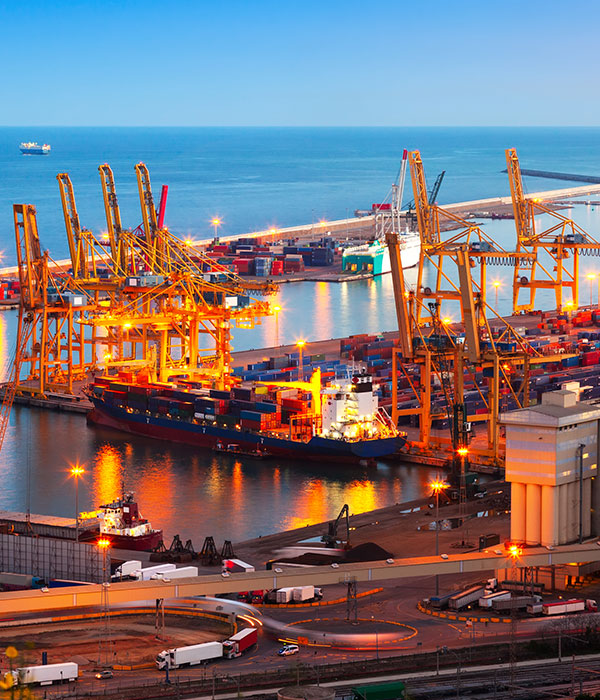
A practical comparison to help you pick the right mode for your next shipment.
Read Article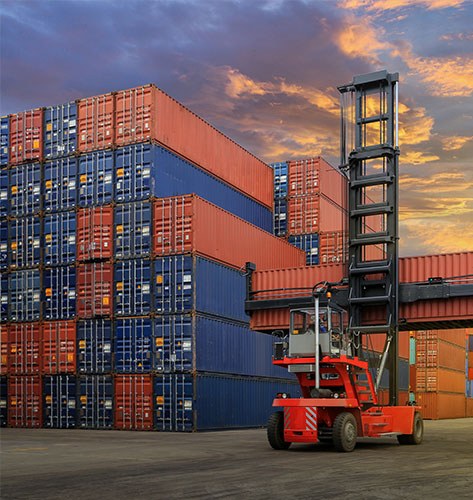
Layout, inventory accuracy and safety practices that keep warehousing operations efficient.
Read ArticlePractical guidance to help new exporters avoid the most common early mistakes.
Read Article