Ten practical checks every first-time exporter should run before their goods leave India, drawn from real customs and freight practice.

First-time exporters often focus so much on landing the order that critical logistics and compliance steps get left until the last minute. A shipment that looks straightforward on paper can stall at the port, incur unexpected costs, or damage a new buyer relationship if the basic groundwork wasn't done early. The good news is that most first-shipment problems are avoidable with the same handful of checks experienced exporters run every time. This guide collects ten practical tips — from getting your HS code right to choosing the correct Incoterm and verifying your buyer — that will help you move your first export shipment with confidence and avoid the mistakes that trip up most new exporters.
Every export quote should be built on the correct Harmonized System (HS) code, since it determines applicable duty rates, whether the product needs a specific export license, and which compliance rules apply at customs. Quoting a price before verifying the HS code risks under- or over-costing the shipment, and a wrong classification discovered later can trigger reassessment, delay or penalty at the port. Cross-check the code against the DGFT ITC-HS classification and, where the product category is ambiguous, get a written opinion from your customs broker before finalizing terms with the buyer.
Incoterms define exactly where the seller's responsibility ends and the buyer's begins for cost, risk and documentation. First-time exporters sometimes accept whatever Incoterm a buyer proposes without understanding what it commits them to, which can mean absorbing freight, insurance or destination charges they hadn't budgeted for. FOB and CIF remain common starting points for sea freight, but the right choice depends on your control over freight booking and your pricing strategy. Confirm the Incoterm explicitly on the proforma invoice and make sure your internal costing reflects exactly what that term obligates you to pay for.
An Importer Exporter Code (IEC) from DGFT is a mandatory prerequisite for any export shipment from India, and it should be in place well before you commit to a shipment date. Applying for IEC only after finalizing an order risks delaying the entire transaction while registration is processed. The application itself is straightforward once your business documentation — PAN, bank details and address proof — is in order, so there is little reason to leave it until the last moment. Treat IEC registration as a one-time setup step, not a task tied to your first specific order.
Customs procedures, tariff classification and documentation requirements change frequently, and a licensed customs broker exists specifically to keep pace with those changes on your behalf. For a first shipment, a broker's experience is often the difference between smooth clearance and a shipment held up over a preventable documentation gap. Beyond filing the shipping bill, a good broker can flag classification risks, advise on applicable export benefits, and coordinate directly with customs officials if queries arise. Choosing a broker with experience in your product category and destination country adds meaningful value beyond generic clearance support.
Export documentation — commercial invoice, packing list, certificate of origin, shipping bill and any product-specific certificates — takes real time to prepare correctly, and rushing it increases the chance of errors that cause delays later. Some certificates, such as those from export promotion councils or regulatory bodies, involve processing time outside your direct control. Build documentation lead time into your production and shipping schedule rather than treating it as something to finalize the day cargo is ready to move. A realistic timeline avoids the scramble that often leads to missed vessel or flight bookings.
Freight quotes can look deceptively simple until origin charges, terminal handling fees, documentation charges, and destination-side costs are added on top of the base ocean or air freight rate. First-time exporters who quote a buyer based only on the headline freight figure often find their margin eroded by charges they didn't anticipate. Ask your freight forwarder for an all-inclusive cost breakdown before finalizing your export price, and clarify which charges are covered under the Incoterm you've agreed to. A complete view of freight costs protects your margin and avoids uncomfortable conversations with the buyer later.
Marine insurance protects against loss or damage during transit, and skipping it to save cost is one of the more expensive mistakes a first-time exporter can make. A single damaged or lost shipment without cover can erase the profit from several successful ones, and it can also damage the buyer relationship you're trying to build. Coverage should reflect the actual value of the goods and the specific risks of the route and mode of transport being used. Discuss appropriate coverage with your freight forwarder as a standard part of shipment planning, not an optional add-on.
Before committing production capacity and logistics arrangements to a new buyer, verify their business credentials and agree on clear payment terms in writing. Options range from advance payment to letters of credit to open account terms, each carrying different levels of risk for a first-time relationship. For new or unfamiliar buyers, a letter of credit or partial advance payment reduces exposure compared to open account terms extended before trust has been established. Taking time to verify a buyer upfront is far less costly than discovering a payment problem after goods have already shipped.
Export transactions often come with follow-on compliance obligations — IGST refund filings, export obligation deadlines under schemes like Advance Authorization or EPCG, and record-keeping requirements — that continue well after the shipment has left port. Missing these deadlines can mean forfeited benefits or, in some cases, penalties. Maintain a simple internal calendar of compliance dates tied to each shipment, or work with a broker who tracks these deadlines as part of ongoing support. Staying ahead of compliance obligations protects both your cash flow and your standing with regulatory authorities.
Treating your first shipment as a one-off transaction rather than the start of an ongoing relationship with a logistics partner is a missed opportunity. A partner who understands your product, your typical shipment pattern and your buyers over time can flag issues before they become problems and negotiate better terms on your behalf as volume grows. Consistency in freight forwarding, customs clearance and documentation also reduces the learning curve on every subsequent shipment. Investing in that relationship from your first export pays off in smoother, faster shipments as your business scales.
Our team supports first-time exporters through HS classification, documentation, customs clearance and buyer-side logistics coordination.
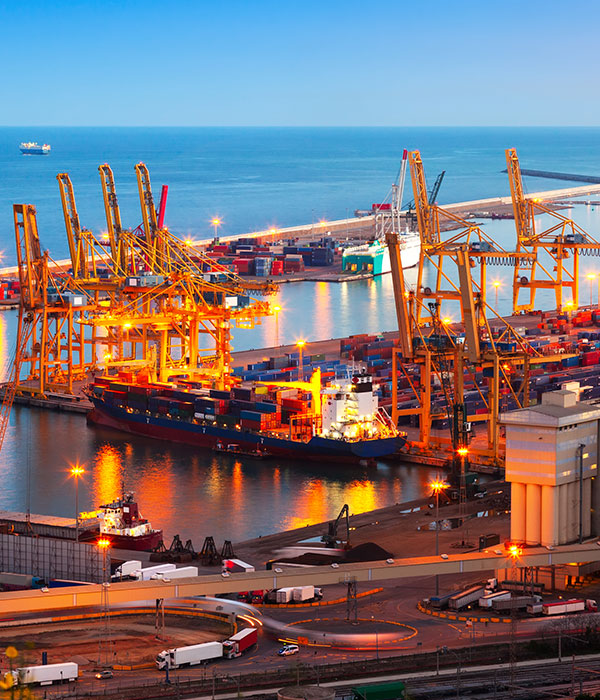
A complete checklist of the documents required to move an export shipment through customs without delay.
Read ArticleA side-by-side look at cost, speed and suitability to help you pick the right mode for your cargo.
Read Article
The core regulatory bodies, licensing rules and record-keeping obligations every exporter should understand.
Read Article