A practical comparison of cost, speed and cargo fit to help you choose the right mode for every shipment — or combine both.
Choosing between air and sea freight is one of the first practical decisions any exporter or importer makes for a shipment, and it shapes cost, delivery timelines and even how much working capital gets tied up in transit. There's no universally "better" option — the right choice depends on what's being shipped, how urgently it's needed, and how the numbers work out once every cost is accounted for. This guide walks through the real differences between the two modes and offers a framework for deciding which one fits a given shipment, or whether a combination of both makes the most sense.
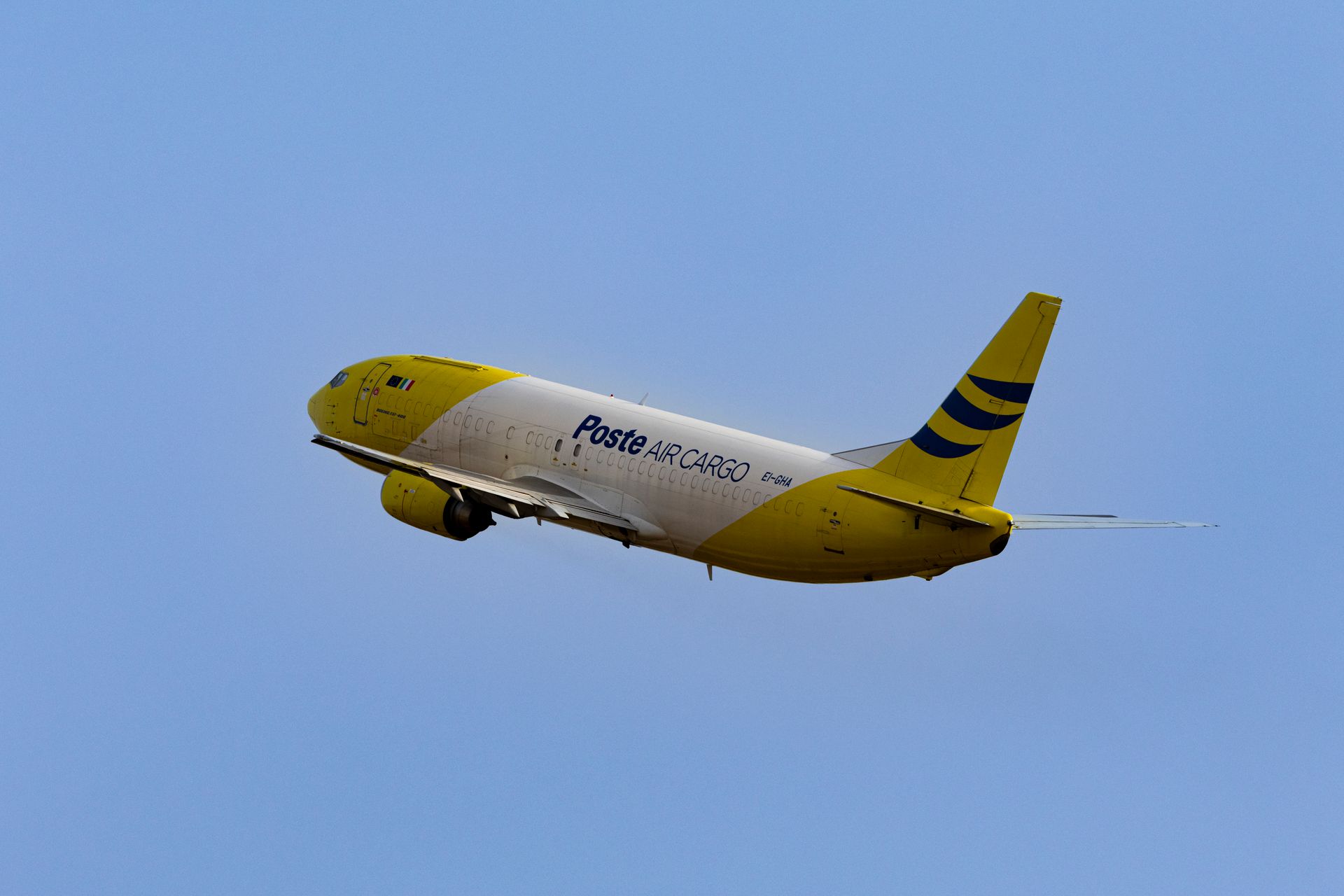
Air freight and sea freight differ across nearly every practical dimension of a shipment. Air freight moves cargo in hours to a couple of days flight time, is priced by chargeable weight, and suits smaller, lighter, time-sensitive or high-value shipments. Sea freight moves cargo over days to weeks depending on the route, is priced largely by container or cubic volume, and suits larger, heavier, less time-critical shipments where cost efficiency matters more than speed.
Air freight also generally involves simpler, faster documentation and fewer transit touchpoints, while sea freight cargo typically passes through more handling stages — from factory to port, loading, potentially transhipment at an intermediate port, and unloading at destination — each of which adds both time and a small amount of handling risk.
On a straight per-kilogram basis, air freight is almost always more expensive than sea freight for the same route, often significantly so. Air freight is charged on chargeable weight — the greater of actual weight or volumetric weight — which can push costs up further for bulky, low-density cargo even if it isn't heavy. Sea freight, by contrast, is priced by container (FCL) or cubic metre/weight (LCL), and the per-unit cost drops sharply as shipment volume increases, which is why sea freight dominates for bulk industrial and consumer goods.
That said, cost comparisons shouldn't stop at freight rate alone. Sea freight's longer transit ties up inventory value for weeks, which has a real carrying cost, and LCL shipments carry minimum charges and consolidation fees that can make small sea shipments less of a bargain than they first appear. A true cost comparison should weigh freight rate, inventory carrying cost, and the cost of any delay against the deadline the shipment is trying to meet.
Air freight transit is typically measured in hours to a few days depending on flight availability and routing, making it the default choice whenever a shipment has a hard deadline. Sea freight transit is measured in days to weeks — a shipment from India to a European port, for instance, commonly takes several weeks depending on the route and whether transhipment is involved, while shipments to nearby regions can be faster.
It's worth remembering that transit time isn't the same as total door-to-door time. Both modes require inland transport, customs clearance and last-mile delivery at either end, and these stages can sometimes narrow the apparent speed gap — particularly if a sea freight route has direct port-to-port service while an air freight route requires multiple flight connections.
Air freight makes sense when a shipment is time-critical — meeting a retail launch date, replenishing a production line that's about to run out of a critical component, or fulfilling an urgent customer order where the cost of delay outweighs the freight premium. It's also the right choice for high-value, low-volume goods where the freight cost is a small fraction of the shipment's overall value, and for perishable or sensitive cargo — certain pharmaceuticals, fresh produce or delicate electronics — where a shorter transit meaningfully reduces risk. Businesses moving urgent shipments through our air freight export service typically fall into one of these categories.
Sea freight is the natural choice for large-volume, heavier shipments where per-unit freight cost matters more than speed — bulk raw materials, machinery, furniture, textiles and most standard consumer goods moving on a planned replenishment schedule rather than against an urgent deadline. It's also the more practical option for oversized or heavy cargo that simply cannot be economically or physically moved by air. For established exporters shipping predictable volumes on a regular schedule, our sea freight export service is generally the more cost-efficient default, reserving air freight for exceptions.
Many experienced exporters don't treat the choice as strictly either/or. A common hybrid strategy is splitting an order — sending a smaller initial batch by air to meet an urgent customer commitment or launch date, while the bulk of the order follows by sea at a lower overall cost. This lets a business protect a critical deadline without paying air freight rates on the entire shipment volume.
Growing exporters also often shift their default mode as volumes scale: starting with air freight while order sizes are small and unpredictable, then transitioning the bulk of shipments to sea freight once volumes are consistent enough to fill containers economically, retaining air freight only for genuine exceptions. Planning freight mode alongside production and sales forecasts, rather than deciding shipment by shipment under pressure, is what allows businesses to consistently get the cost-speed balance right.
Our team compares cost, transit time and cargo fit across air and sea freight to recommend the right mode for every order.
A clear breakdown of what freight forwarders do and how they coordinate a shipment end-to-end.
Read ArticlePractical guidance for businesses shipping internationally for the first time.
Read ArticleKey trends reshaping how goods move across borders, from digitisation to sustainability.
Read Article