Everything importers and exporters need to know about documentation, filing, duties and avoiding delays at Indian ports and airports.
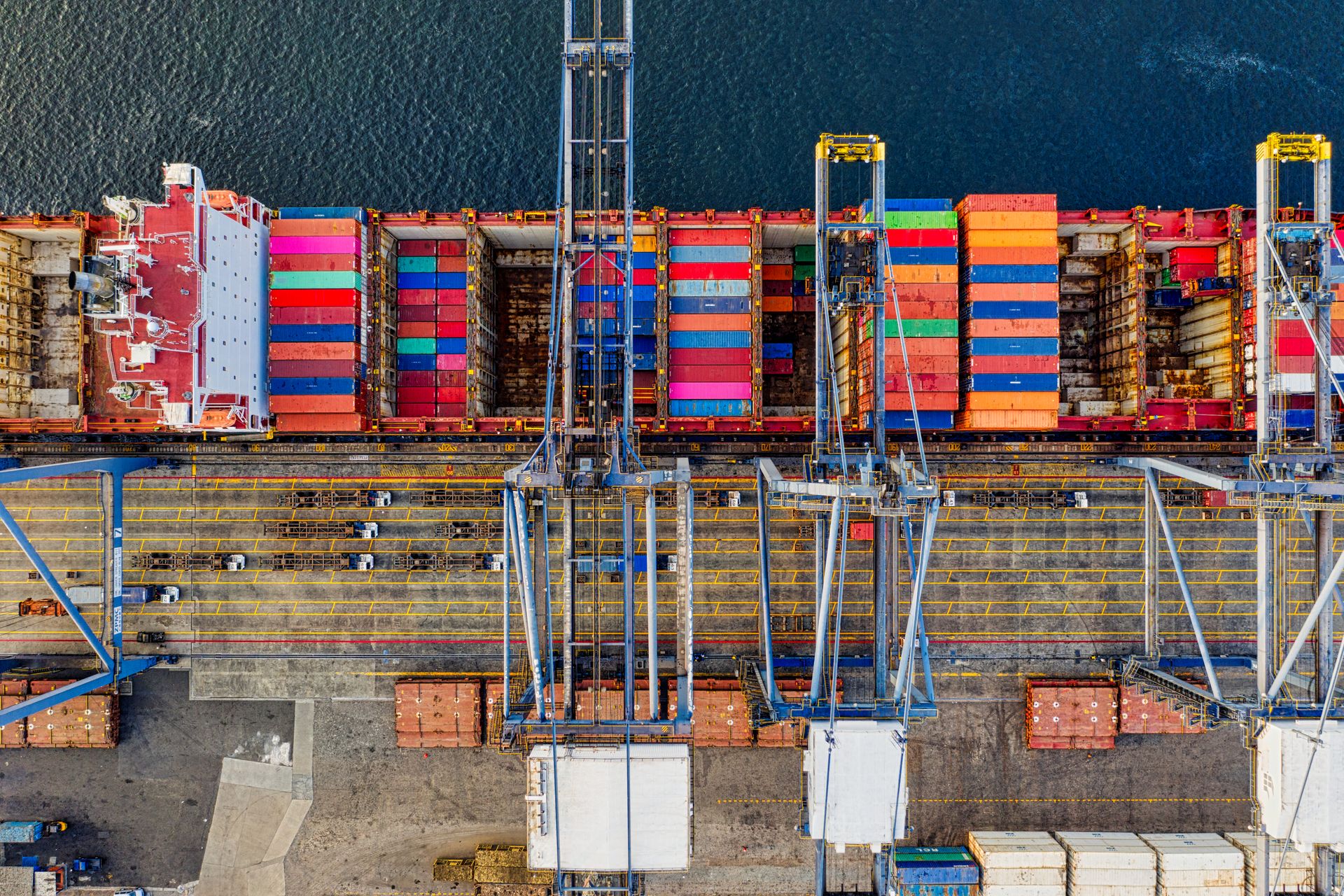
Every shipment that crosses an Indian port, airport or land border has to clear customs before it can move on to a buyer, a warehouse or a factory floor. For businesses new to import-export, the process can look like a maze of forms, portals and abbreviations — Bill of Entry, ICEGATE, HS code, RMS, Bill of Lading. In practice, customs clearance follows a fairly predictable sequence once you understand what customs is checking for and why. This guide walks through the documentation, the step-by-step process, the most common causes of delay, how duties are actually calculated, and where a licensed customs broker fits into all of it.
Customs clearance is the formal process by which the Central Board of Indirect Taxes and Customs (CBIC) authorises goods to enter or leave India. For imports, this means verifying the declared goods, assessing applicable duty, and releasing the cargo once duty is paid and any regulatory conditions are met. For exports, it means confirming that the goods, their value and their destination match what has been declared, and issuing the Let Export Order that permits loading onto a vessel or aircraft.
It matters because customs is the checkpoint where trade policy, revenue collection and security screening all converge. A shipment cannot legally move across the border without it, and delays at this stage ripple through the entire supply chain — missed vessel cutoffs, demurrage charges at the port, unhappy buyers waiting on delivery, and in some cases penalties for non-compliance. Understanding the process well enough to prepare for it, rather than reacting to it, is what separates smooth shipments from stuck ones.
In India, clearance happens electronically through the ICEGATE portal, which connects importers, exporters, customs brokers, shipping lines and customs officers on a single system. Whether cargo moves through Jawaharlal Nehru Port (Nhava Sheva), Mumbai Air Cargo, or any other Indian customs station, the underlying framework is the same, even if local practices and turnaround times vary.
Customs clearance is, at its core, a documentation exercise. Every claim made in the filing — what the goods are, what they're worth, where they're going or coming from — has to be backed by paper (or its digital equivalent) that customs can verify. The core document set includes:
Any inconsistency between these documents — a value on the invoice that doesn't match the packing list, or a product description that doesn't align with the declared HS code — is one of the fastest ways to trigger a query and stall clearance.
While details differ slightly between air cargo, sea cargo and different customs stations, the broad sequence for most shipments looks like this:
The importer, exporter, or their customs broker files the Bill of Entry or Shipping Bill electronically on ICEGATE, declaring the goods under the correct HS (Harmonized System) classification, along with value, quantity and origin/destination details.
The Risk Management System (RMS) evaluates the declaration and either clears it automatically on the "green channel" or flags it for document verification or physical examination based on risk parameters tied to the importer, the goods, or the country of origin.
Where required, a customs officer assesses the declared value and classification, and the applicable duty is calculated and communicated for payment. For self-assessed low-risk shipments, this step happens largely automatically.
If a shipment is selected for examination, customs physically inspects the cargo against the declared documents before granting clearance.
Once duty is paid (for imports) and all conditions are satisfied, customs issues an Out of Charge order for imports, allowing the goods to be moved out of the port or airport, or a Let Export Order for exports, allowing the goods to be loaded for shipment.
Most clearance delays are avoidable and trace back to a handful of recurring causes. Incomplete or mismatched documentation — invoice values that don't tie to the packing list, or a Bill of Lading description that doesn't match the declared goods — is the single biggest culprit. Incorrect HS classification is another frequent issue: using the wrong tariff heading can trigger a reassessment, a duty demand, or in some cases a query on eligibility for a restricted category.
Other common causes include missing or expired licenses for regulated goods, failure to register or update KYC details with customs brokers and shipping lines, and simple timing issues such as filing a Shipping Bill too close to the vessel's cutoff. The most effective way to avoid these delays is straightforward: prepare documentation in advance, cross-check every figure across invoice, packing list and declaration before filing, and confirm HS classification with an experienced broker rather than guessing or reusing a classification from an unrelated shipment.
Customs duty in India is calculated on the "assessable value" of imported goods, which is generally based on the transaction value — the price actually paid or payable for the goods — adjusted where necessary to include freight, insurance and other costs up to the point of import, in line with customs valuation rules. Once the assessable value is established, the applicable duty rate is determined by the goods' HS classification, an eight-digit code that identifies the exact product category under India's Customs Tariff.
The total duty payable can include Basic Customs Duty (BCD), Integrated Goods and Services Tax (IGST) levied on imports, and in some cases additional levies such as Social Welfare Surcharge, anti-dumping duty or safeguard duty, depending on the product and its country of origin. Because rates vary meaningfully across HS codes — sometimes for goods that look similar on the surface — correct classification is not a formality; it directly determines how much duty is owed and whether any preferential rate under a trade agreement can be claimed.
A licensed customs broker acts as the importer or exporter's authorised representative before customs, filing declarations on ICEGATE, coordinating with shipping lines and terminal operators, and managing the practical logistics of getting a shipment through examination and out of the port or airport. Brokers hold a customs broker license issued under CBIC regulations, which requires passing a qualifying examination and maintaining ongoing compliance obligations.
Beyond simply filing paperwork, an experienced broker brings classification expertise, familiarity with the specific documentation quirks of different ports, and established working relationships with customs officers that can make the difference between a shipment that clears in a day and one that sits for a week. For most businesses, particularly those without an in-house trade compliance team, working with a broker is less about convenience and more about risk management — reducing the chance of costly errors, penalties or demurrage that can outweigh the broker's fee many times over.
Our licensed customs brokers handle documentation, classification and filing end-to-end so your cargo clears without avoidable delays.
A practical checklist of every document exporters need to prepare before goods leave India.
Read ArticleWhat importers need on file before their cargo arrives at an Indian port or airport.
Read Article
How to register for an Importer Exporter Code and stay compliant with DGFT requirements.
Read Article